

The Tech-Enhanced Future of Pallet Pooling
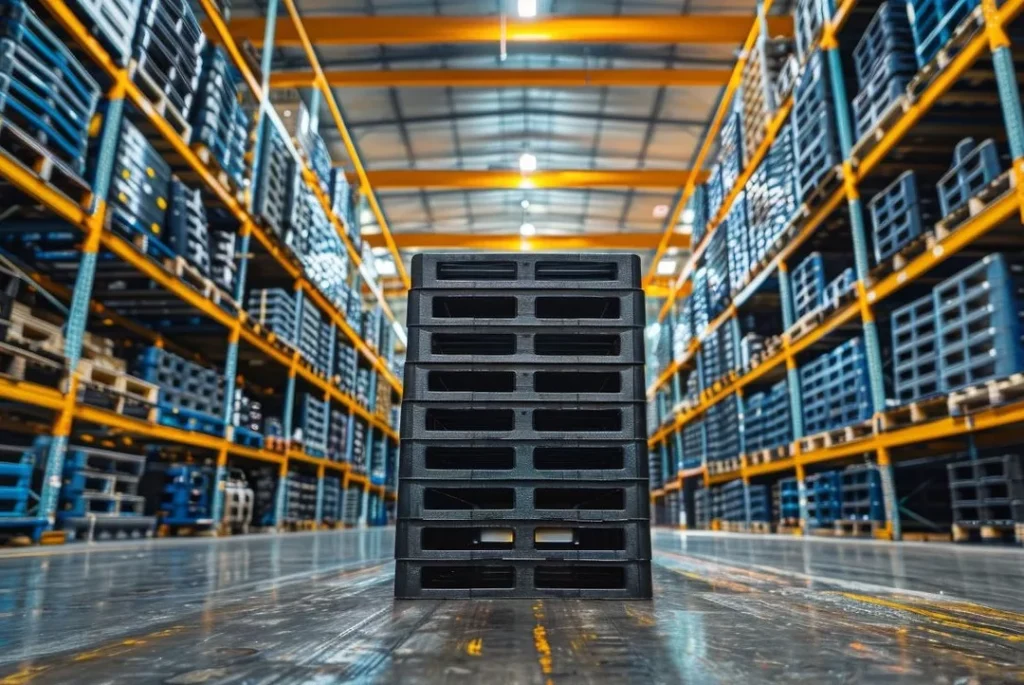
The Basics: Pallets are a necessity for the supply chain when it comes to moving goods, carrying everything from groceries and electronics to auto parts and pharmaceuticals. But behind the scenes, companies face a constant challenge: how to source, track, repair and recycle the millions of pallets that move through warehouses each day. That’s where pallet pooling comes in.
Instead of every business owning its own stock, pooling systems allow companies to share access to a centralized network of reusable pallets, making it easier to keep goods moving while cutting costs, reducing waste and simplifying logistics.
“Pooling is a concept not too dissimilar from a rental car,” says Jonathan Parks, the senior vice president of supply chain for plastic pallet pooling provider iGPS. “A company can order the pallets they need just in time, pay on a per-use basis, get the benefit of them showing up when they need them, and they don’t have to worry about what happens to them once they are shipped out to customers with their product.”
The Future: The future of pallet pooling will be significantly more beneficial for manufacturers and retailers through the integration of artificial intelligence (AI) with advanced tracking, sorting, and inspection technologies. Currently, managing a pooled pallet inventory often requires painstaking, time-consuming analytical work — sifting through disparate data sources and numerous spreadsheets to identify inefficiencies, predict demand and mitigate losses, says Parks.
Looking ahead, pallet pooling could soon evolve into an even more data-driven and automated solution, reshaping how supply chains handle one of their most basic yet essential tools. In many ways, that future has already arrived: from pallets embedded with RFID chips that allow a company to track the movement of their products end-to-end, or cellular tags that allow companies to track the location of their products in real time and even monitor changes in temperature, or get an alert if a pallet has been jostled or damaged.
Although the majority of pooling providers use wood for their pallets, plastic is gaining momentum as a lightweight alternative material that’s highly durable and able to produce in large quantities, and that Parks describes as the “natural next move” for the industry. “What it comes down to is an equation of durability and cost,” says Parks. “The weight is potentially 20 pounds less than what a wooden variety may be, and these things can take impact after impact and still be in a like-new state.” Given their durability, plastic pallets need repairs far less than ones built with other materials, and if one does get damaged, it can easily be recycled into pallets or any number of other plastic products, such as totes or bins.
New artificial intelligence systems are being deployed to further streamline the inspection process, where a system of cameras and lasers can inspect and assess the quality of a pallet in a matter of seconds, and then identify it as ready for use, move to cleaning system, identify it as needing repair, or damaged and ready to be recycled.
As technology and materials continue to advance, pallet pooling is likely to be driven by smarter tracking systems, automated inspection tools and increasingly durable plastic designs that will keep pallets in circulation longer.
